HONG KONG, China -- As scientists work feverishly to shed light on the frightening spread of SARS, the World Health Organization has released new findings that show the virus can live for days in human waste.
In the first study that gives some hard data on the virus' survival, the WHO discovered SARS is more resilient than first thought, staying alive for at least four days in diarrhea and in urine or feces for up to two days.
Dr. Klaus Stohr, the WHO's chief SARS scientist, told The Associated Press this discovery was "the most exciting, or perhaps disturbing, finding."
While experts have said all along that SARS is spread through coughs and sneezes, the WHO study now shows that human waste may be a more significant carrier than originally thought.
Hong Kong scientists have suspected the virus could live in sewage, and the research adds weight to the theory that leaky sewage pipes triggered a severe outbreak at an apartment complex in the territory, where more than 300 people became ill.
Acidity seems to be important -- diarrhea is more alkaline and thus seems to be more hospitable for the virus than feces or urine.
The stool of newborns, which is more acidic, kills the virus after three hours.
While it is still not clear how much exposure is needed for someone to become infected in these ways, standard disinfectants such as chlorine bleach killed the virus in five minutes, the WHO found.
In another finding released on Sunday, Japanese scientists found SARS stayed alive on chilled plastic surfaces for four days.
"This is fridge temperature, so if someone touches something with a SARS contaminated hand, it would stay for four days on something in the fridge," Stohr told AP.
Since the early days, experts have said the virus can be passed on when one person touches a contaminated area and then touches their own nose, mouth or eyes.
But it was not known for how long and at what temperature the virus could stay alive.
The virus was also tested at minus-112 degrees for four days and it was unaffected.
Globally, SARS has killed nearly 450 people and sickened more than 6,700.
It is caused by a new member of the coronavirus family that set off the common cold, and gastrointestinal and respiratory diseases in animals.

Ultimi Articoli

Ilze Brands Kehris nominata rappresentante speciale dell’UE per i diritti umani

Milano, il progetto STEP per il lavoro di 250 giovani: presentazione il 20 ottobre

Cucina italiana ad Atene, la Lombardia partecipa con quindici consorzi

Youth and Future a Palazzo Reale: le parole dei giovani diventano opere d’arte

Fibra ottica in provincia di Como: 145 comuni nel Piano Bul, oltre 144.000 immobili attivabili
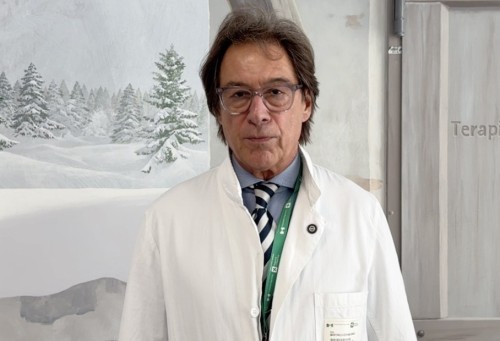
Leone, il neonato ritrovato a Cinisello Balsamo respira senza supporto

Gaza, dalla Lombardia altri 150mila euro per acqua e assistenza agli sfollati
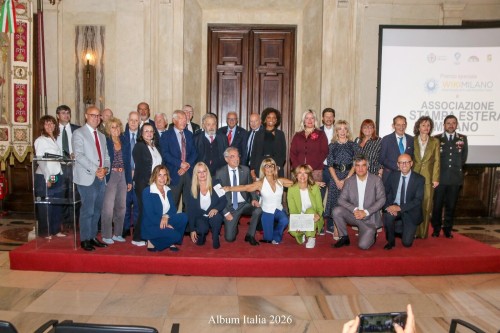
Milano premia i suoi protagonisti: a Palazzo Marino otto “Volti della Metropoli” che raccontano il futuro della città

Premio Volti della Metropoli: a Palazzo Marino i riconoscimenti alla VI edizione