The European Commissioner for Education, Training, Youth and Culture, Mr Ján Figel’, and the French Minister for Culture and Communication, Ms Christine Albanel, hosted an informal meeting in Cannes, France, of representatives from the Member States' Culture Ministries to discuss the potential of culture to boost jobs and growth. They were joined by music industry representatives Denis Olivennes, Bernard Miyet and Michel Lambot. The meeting took place during the annual gathering of Europe's music industries at the MIDEM international trade fair.
"Innovation and creativity are fundamental to the process of economic growth," Mr Figel’ told the representatives, "and they also boost social development. In our increasingly competitive, globalizing world, policy makers in the Member States and the EU need to develop better,'tailor-made' policies for the creative industries so that they can contribute their full potential to boosting Europe's long-term economic growth."
Mr Figel’ told delegates that such 'tailor-made' policies would be most appropriately developed through improved cooperation between Member States by proceeding with the implementation of the EU's first ever strategy for culture1, which the European Commission proposed in May 2007.
Mr Figel’ explained that the Strategy put culture at the heart of the European project, and introduced a more structured system of cooperation among the Member States and the EU institutions, which is known as the 'open method of coordination' (OMC).
This open framework makes it easier for Member States and the EU institutions to work together towards commonly identified goals through peer learning and by measuring progress against mutually agreed benchmarks. The OMC also calls for the involvement of the cultural sector in this process. "This is vital if we are to successfully tailor policy to the needs of the creative sector," Mr Figel’ said.
The industry representatives pointed out that Europe's music industry is going through difficult times: finding new talent, writing new lyrics and producing new music recordings is extremely expensive, but it is becoming ever easier to copy artists' works through digital media without compensating the artists and other companies concerned. "Developing content requires investments, but the return on them is
1 http://ec.europa.eu/culture/eac/communication/comm...
2 diminishing. Consumers seem to see digital availability as a right that they shouldn't have to pay for", Mr Olivennes lamented.
As far as creative and cultural industries are concerned, the Commissioner announced the creation of a group of experts from Member States and a group with civil society organisations, whose tasks will be to focus on unleashing the full potential of the cultural and creative industries, especially in small and medium sized enterprises, to help achieve the aims of the EU's Lisbon Strategy for growth and jobs.
The Commissioner also announced that a new study will get underway in February to investigate the circumstances that effectively contribute to stimulating creativity in the EU. The study should also focus on ways to further explore and promote the specific role of culture in fostering creativity. This study will also help identify the type of actions that should be implemented during the forthcoming "European Year of Creativity and Innovation through Education and Culture" in 2009.
After the meeting with representatives from the Culture Ministries, the European Commission presented the European Border Breakers Awards for 2008, which were given to 10 European artists or groups for their success in reaching audiences outside their home market. During the show, which was moderated by Ray Cokes, the well-known TV presenter, the audience was treated to a guest performance by the French singer/rapper Abd al Malik, who is also one of fifteen 'Ambassadors' for the European Year of Intercultural Dialogue 2008.
More information:
Culture website: http://ec.europa.eu/culture/eac/index_en.html
European Year of Intercultural Dialogue 2008: http://www.dialogue2008.eu

Ultimi Articoli
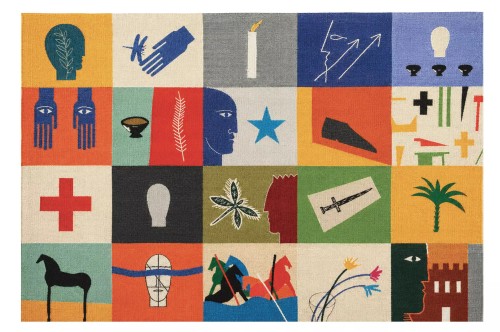
Youth and Future a Palazzo Reale: le parole dei giovani diventano opere d’arte

Fibra ottica in provincia di Como: 145 comuni nel Piano Bul, oltre 144.000 immobili attivabili

Leone, il neonato ritrovato a Cinisello Balsamo respira senza supporto

Gaza, dalla Lombardia altri 150mila euro per acqua e assistenza agli sfollati
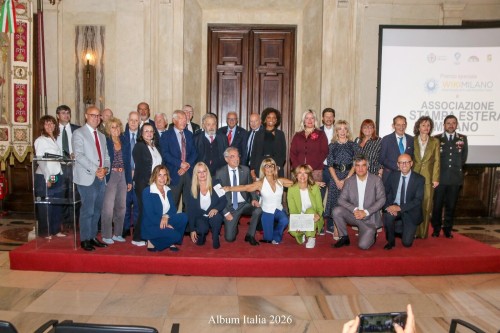
Milano premia i suoi protagonisti: a Palazzo Marino otto “Volti della Metropoli” che raccontano il futuro della città
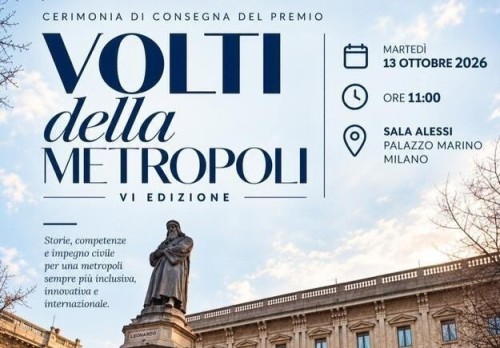
Premio Volti della Metropoli: a Palazzo Marino i riconoscimenti alla VI edizione
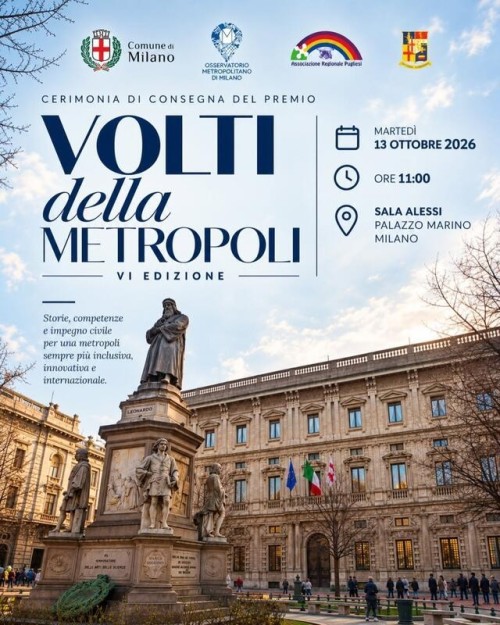
Milano celebra i suoi protagonisti: torna il Premio “Volti della Metropoli”

Roma, talenti, Via Antamoro, vent’anni di attesa: ma chi paga il prezzo delle promesse rimaste sulla carta?
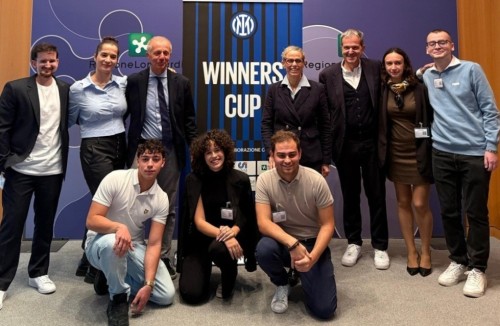
Winners Cup 2026, oltre 200 giovani pazienti oncologici in campo a Milano